1A175 GM8244 Propeller – Excellent Condition: Fixed-Pitch Aviation Component
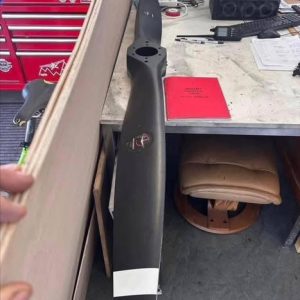
The 1A175 GM8244 Propeller – Excellent Condition combines recognizable McCauley construction, get more info fixed-pitch operation, metal blade design, and replacement potential for a compatible general aviation application.
A 1A175 GM8244 Propeller may also be listed as a McCauley 1A175 Propeller or McCauley GM8244 Propeller when every letter, number, suffix, and alteration marking is represented accurately.
Whether described as an FP/1A175/GM8244 Propeller, McCauley Fixed-Pitch Propeller, Metal Aircraft Propeller, or Fixed-Pitch Aircraft Propeller, professional evaluation should precede installation.
The Textron Aviation Propeller phrase may reflect the broader manufacturer product family, but it should not be interpreted as universal compatibility with every Textron or Cessna aircraft.
General Aviation Aircraft Parts listings should provide enough technical and condition information for professional review.
Key Identification Details for the Propeller
The complete model designation should be verified through the manufacturer data plate, blade or hub markings, serial number, logbook records, repair-station tags, photographs, and available McCauley technical information.
The serial number should match every supplied inspection report, invoice, log entry, and release document.
Separating Appearance from Serviceability
The phrase excellent condition should be supported by detailed photographs, current measurements, inspection results, maintenance records, storage history, and transparent disclosure of defects or repairs.
Transparent condition reporting supports responsible Fixed-Pitch Aircraft Propeller purchasing.
Fixed Blade-Angle Operation
The 1A175 GM8244 should be evaluated through verified technical data rather than broad assumptions about fixed-pitch propellers.
Metal does not eliminate the risk of fatigue, corrosion, impact damage, improper field dressing, or dimensional loss.
Evaluating the Complete Blade Assembly
Unequal filing, corrosion removal, repair, erosion, or impact damage can affect balance and tracking.
The buyer should inspect each blade face, back, leading edge, trailing edge, tip, root area, and transition into the hub.
Understanding the GM8244 Configuration
The model designation may contain useful dimensional information, but actual blade measurements and records should confirm the current configuration.
Blade-to-blade pitch differences can contribute to vibration or inefficient operation.
Cessna Aircraft Propeller Considerations
Compatibility depends on the exact aircraft model, serial-number range, engine model, engine configuration, propeller approval, spinner arrangement, hub, bolt pattern, diameter, pitch, and operating limitations.
Required hardware and operating limitations should also be reviewed.
Evaluating Mounting Holes and Surfaces
The hub and mounting configuration should match the receiving engine flange, bolt pattern, pilot diameter, spacer arrangement, and approved hardware.
Professional hardware selection supports safe and consistent assembly.
Inspecting Blade Faces and Backs
Blade faces and backs should be examined under suitable lighting for scratches, impact marks, surface distortion, paint lifting, and localized corrosion.
Trailing edges and tips should also be reviewed for bending, cracking, separation, deformation, and uneven contour.
Evaluating Storage-Related Damage
Complete corrosion inspection supports more reliable propeller evaluation.
Protective covers should not trap moisture against blade surfaces.
Professional Propeller Testing
Inspection methods should be selected and interpreted by appropriately qualified personnel.
Any history of propeller strike, sudden stoppage, ground contact, towing damage, shipping impact, or uncontrolled handling should be disclosed.
Managing Vibration Concerns
Static balance evaluates weight distribution, while dynamic balance examines the installed rotating system under operating conditions.
Unexplained weights, drilling, grinding, or undocumented alterations should receive professional review.
Evaluating Calendar and Service Exposure
Unknown operating time should be stated honestly rather than estimated from blade appearance.
The buyer should confirm the reason for removal, date of removal, donor aircraft, engine model, operating history, and storage method.
Distinguishing Inspection from Overhaul
Clear terminology protects buyers from misunderstanding the propeller’s condition.
The exact scope depends on the propeller design, condition, and applicable procedures.
Supporting Future Maintenance
Reliable traceability supports future maintenance decisions.
Release documentation, inspection tags, repair-station records, and logbook entries should be evaluated for scope, date, serial number, limitations, and issuing organization.
Used Aircraft Propeller Pre-Purchase Guide
Detailed review reduces unsuitable purchases and unexpected inspection expenses.
- Confirm the full 1A175 GM8244 or FP/1A175/GM8244 designation, serial number, manufacturer markings, diameter, pitch, blade count, hub dimensions, and documented alteration history.
- Arrange qualified propeller evaluation whenever dimensions, structural condition, history, documentation, or installation eligibility remain uncertain.
- Report shipping damage, missing documentation, identification differences, undisclosed repairs, corrosion, blade defects, or dimension discrepancies promptly.
Protecting a Two-Blade Propeller in Transit
The propeller should not rest against hard surfaces that can concentrate loads on a blade edge or tip.
The package should identify suitable lifting and handling points so carriers do not use the blades as handles.
Preventing Corrosion and Handling Damage
During storage, the propeller should remain dry, clean, supported, protected from impact, and separated from corrosive chemicals or uncontrolled environmental exposure.
Identification labels, serial records, inspection documents, and included hardware should remain associated with the correct propeller.
Professional Propeller Installation
Incorrect bolts, unsuitable washers, damaged threads, or improvised spacers should not be used.
Blade tracking should be evaluated after installation.
Required records and return-to-service actions should be completed by authorized personnel.
Maintaining Leading Edges and Finish
Routine maintenance should include inspection of blade surfaces, leading edges, trailing edges, tips, hub, mounting hardware, spinner components, track, finish, and signs of movement or corrosion.
Preventive care supports dependable General Aviation Propeller service.
Choosing a Cost-Effective Aviation Component
The commercial value of a 1A175 GM8244 depends on exact identification, serial number, dimensions, operating time, overhaul history, blade condition, corrosion status, inspection results, traceability, and included accessories.
Availability of qualified repair support and approved technical information can influence long-term value.
Buying a Fixed-Pitch Aircraft Propeller
For a properly approved aircraft-and-engine combination, the propeller can support a professional replacement project when inspected and installed by qualified personnel.
Buyers should request current photographs, exact measurements, transparent damage disclosures, inspection information, protected freight arrangements, secure transaction terms, and qualified propeller review.
Whether the propeller is purchased for replacement, restoration, spare inventory, resale, maintenance planning, or an aircraft project, transparent information and professional oversight provide the strongest foundation.
With complete evaluation and continued care, the 1A175 GM8244 Propeller – Excellent Condition can deliver a professional combination of fixed-pitch simplicity, metal construction, replacement value, and general aviation application potential.